Vaccination is one of the most impactful healthcare measures in children’s lives. According to global health estimates, routine childhood immunization prevents approximately 4–5 million deaths every year, protecting infants and young children from life-threatening diseases such as measles, polio, diphtheria, and pertussis. The first few years of life are especially critical, as a child’s immune system is still developing and relies on timely vaccination to build effective, long-term immunity.
While the importance of vaccination itself is unquestionable, the setting in which vaccines are administered can significantly influence safety, comfort, and adherence to immunization schedules. In this context, home vaccination for children has emerged as a safe, clinically sound, and parent-friendly alternative to traditional clinic visits.
What is home vaccination for children?
Home vaccination refers to the administration of pediatric vaccines at a child’s home by a qualified healthcare professional, such as a trained nurse or physician, in accordance with national immunization guidelines. The vaccines used are the same WHO-recommended and government-approved immunobiologicals routinely administered in hospitals and clinics.
These include essential childhood vaccines such as DTP (Diphtheria, Tetanus, and Pertussis), IPV or OPV for polio, MMR (Measles, Mumps, and Rubella), Hepatitis B, Hib (Haemophilus influenzae type b), Pneumococcal, and Rotavirus vaccines. Consequently, there is no compromise in vaccine quality, safety, or effectiveness.
Home vaccination services make sure vaccines are stored at the right temperature, are given using clean and safe techniques, and that children are monitored after the shot. This means that the quality of care at home is just as safe as in a clinic, while also being more comfortable and child-friendly.
Why should parents consider home vaccination?
Vaccination plays a key role in a child’s physical and emotional well-being, as well as parental compliance. Home vaccination addresses several practical and clinical concerns that families commonly face.
-
Reduced exposure to infections
One of the most significant advantages of home vaccination is the reduced risk of exposure to nosocomial (hospital-acquired) infections. Clinics and hospitals often have high patient turnover, increasing exposure to respiratory and contact-based pathogens. By avoiding crowded healthcare environments, parents can minimize unnecessary infection risks while maintaining timely immunization.
Home vaccination is particularly beneficial for:
- Newborns and young infants with immature immune systems
- Preterm or low-birth-weight babies
- Periods of seasonal flu or infectious disease outbreaks
-
Lower stress and anxiety for the child
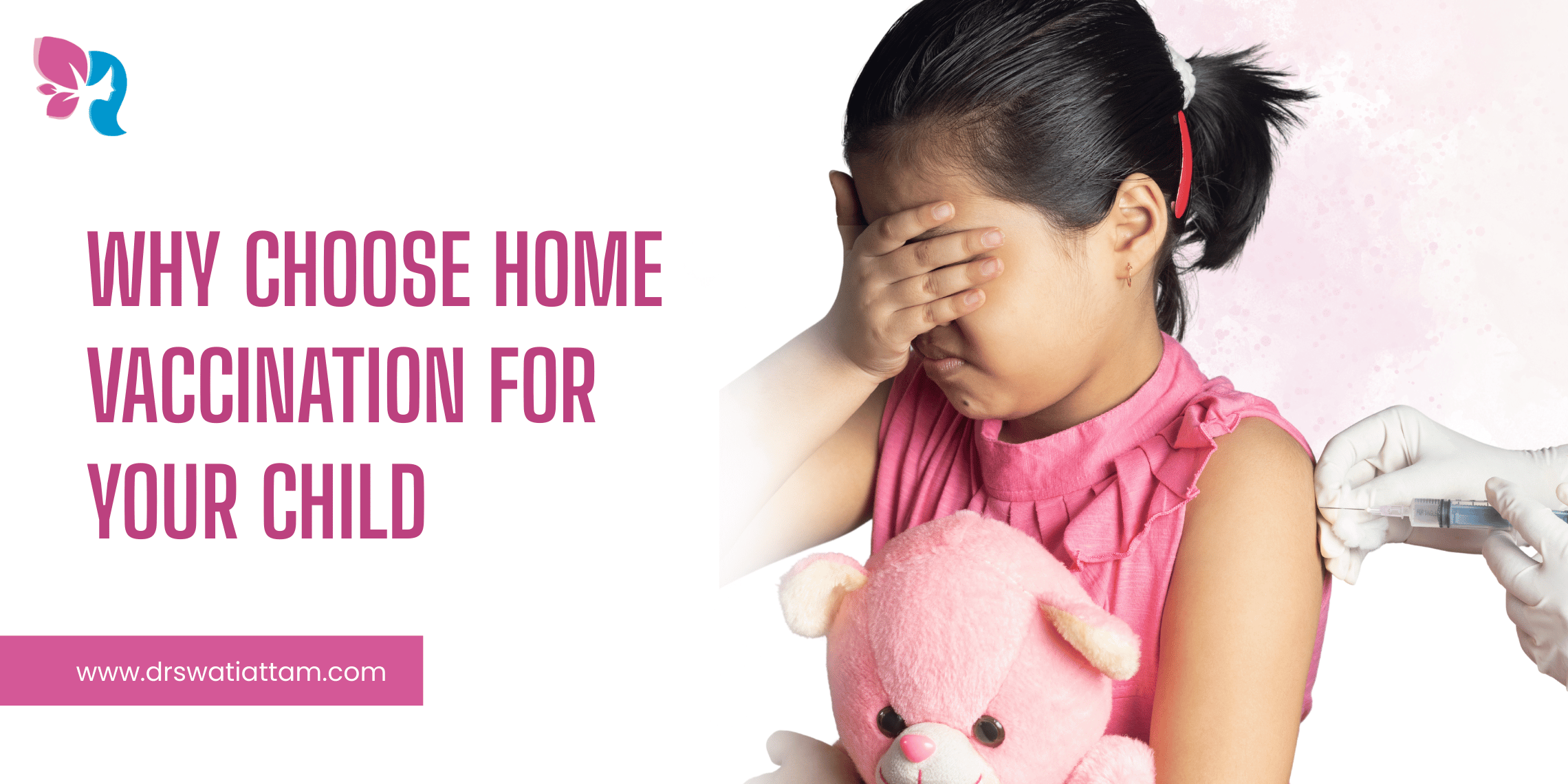
Many children experience white coat anxiety, which means they feel nervous or scared in clinics or around medical staff, even before the vaccine is given. Receiving vaccines at home, in a familiar and secure environment, helps reduce psychological stress.
Benefits commonly include:
- Less anticipatory fear and resistance
- Improved cooperation during vaccination
- Reduced stress-related pain perception
-
Personalized pediatric attention
Home vaccination provides personalized, child-focused care without the rush of a busy clinic. Parents have time to ask questions and get clear guidance about vaccines and aftercare. The healthcare professional can also check the child’s overall health, making the experience calm and reassuring.
This may include:
- Detailed counseling on vaccine benefits and mechanisms of action
- Education on expected post-vaccination reactions
- Guidance on managing mild adverse effects such as fever or local inflammation
-
Improved convenience and better schedule adherence
For busy families, clinic visits can be stressful and time-consuming. Home vaccination avoids travel and long waits. Keeping vaccines on schedule protects your child and helps shield other children and the community through herd immunity.
As a result, parents are more likely to:
- Follow recommended immunization timelines
- Avoid delays in booster doses
- Complete full vaccine schedules
What is the process of home vaccination for children?
-
Scheduling and pre-vaccination assessment
The process begins with scheduling an appointment according to the child’s age-specific immunization schedule. Before vaccination, the healthcare professional conducts a brief pre-vaccination clinical assessment, reviewing medical history, current health status, prior vaccine reactions, and known allergies. This ensures the child is medically fit to receive the vaccine on that day.
-
Safe vaccine handling and administration
Vaccines are transported using validated cold chain systems that maintain temperatures between 2–8°C to preserve potency. The healthcare professional follows strict aseptic techniques during preparation and administration. Vaccines are delivered using age-appropriate routes and recommended anatomical sites, such as the anterolateral thigh in infants or the deltoid muscle in older children.
-
Post-vaccination observation and guidance
After vaccination, the child is observed briefly for immediate adverse reactions. Parents are informed about common post-vaccination effects, including mild fever, localized swelling, or temporary irritability, and are given clear instructions on home care and warning signs that would require medical attention.
-
Documentation and follow-up
All vaccines are accurately documented in the child’s immunization record, including vaccine details and administration dates. Parents are informed about upcoming doses and booster schedules, and reminder systems may be provided to ensure continuity of care.
Final thoughts
Home vaccination makes preventive care more accessible, child-friendly, and consistent. With trained professionals, standardized medical protocols, and a family-centered approach, home vaccination offers a safe and effective way to protect children from preventable diseases.
Home vaccination provides expert medical care and a comfortable, safe environment, helping parents protect their child’s health at home.