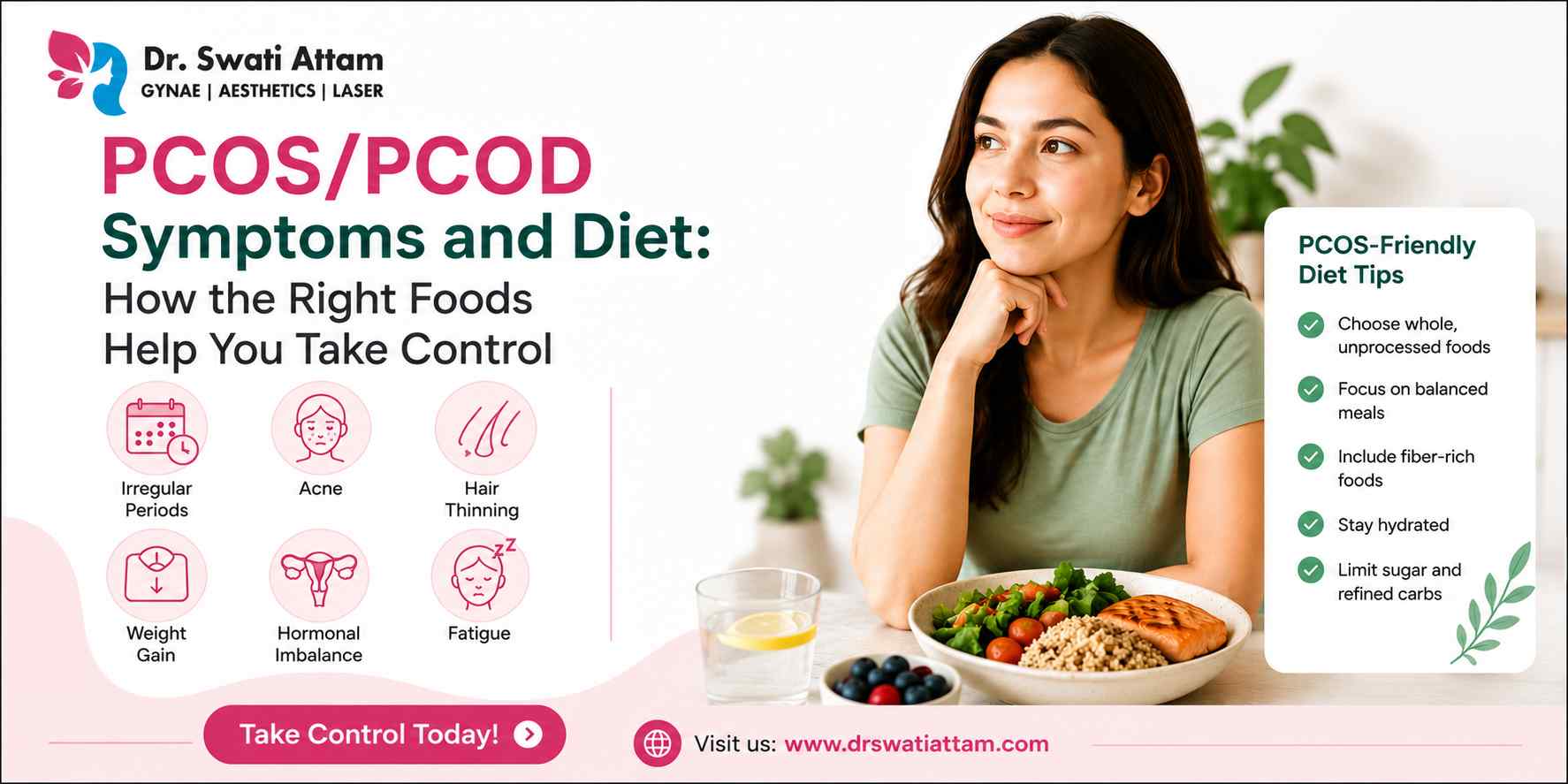
If your periods are unpredictable, your acne won’t quit, and the weight won’t budge, no matter what you try, you are not imagining it, and you are far from alone. Worldwide, PCOS affects an estimated 10 to 13% of women of reproductive age and is commonly underdiagnosed. The good news: PCOS responds remarkably well to what’s on your plate. This guide breaks down the symptoms to watch for and exactly how to build a PCOS diet that works.
Key Takeaways
- PCOS is largely driven by insulin resistance, so the right diet directly targets the root cause.
- Focus on low-GI, high-fibre, protein-rich foods. Cut refined carbs, sugar, and ultra-processed snacks.
- Even a 5 to 10% weight loss can restore periods and improve fertility for many women.
What Is PCOS (and How It Differs From PCOD)?
PCOS (Polycystic Ovary Syndrome) is a hormonal and metabolic condition. The ovaries make extra male hormones (androgens), which disrupts ovulation and your cycle.
PCOS vs PCOD: The Quick Difference
PCOD is usually a milder hormonal imbalance, while PCOS is a more complex metabolic disorder with longer-term health risks. They are not identical, though the terms get used interchangeably. For a full side-by-side breakdown, read the difference between PCOD and PCOS.
Common Symptoms of PCOS/PCOD
Symptoms vary from woman to woman, and you don’t need all of them to have PCOS. Watch for these common signs.
1) Period and Fertility Signs
Irregular cycles are the classic clue. You may notice:
- Periods that are late, skipped, or unpredictable
- Very heavy or very light bleeding
- Difficulty conceiving
Irregular bleeding has many causes, so it helps to know the patterns. This guide on the types of abnormal menstruation and what they mean is a useful next read.
2) Skin and Hair Signs
Higher androgens often show up on your skin and hair:
- Persistent acne, especially along the jaw and chin
- Extra facial or body hair (hirsutism)
- Thinning hair on the scalp
- Dark, velvety skin patches (acanthosis nigricans)
3) Weight and Metabolic Signs
Because insulin resistance is central to PCOS, many women also notice weight gain around the belly, strong sugar cravings, and fatigue after meals.
Why Diet Is the Most Powerful PCOS Tool
Insulin resistance is the engine behind most PCOS cases. When cells stop responding well to insulin, the body makes more of it, and high insulin pushes the ovaries to make more androgens.
What the Evidence Shows
This is why food matters so much. Studies on low-glycaemic-index (low-GI) eating in PCOS show it improves insulin sensitivity, hormone levels, and menstrual regularity. In short, lowering the insulin load lowers the symptoms.
PCOS Diet: Foods to Eat and Foods to Avoid
The principle is simple: eat foods that keep blood sugar steady, and limit foods that spike it.
Build Your Plate Around These
| ✅ Eat More | ❌ Limit or Avoid |
| Whole grains: oats, millets (bajra, ragi), brown rice, quinoa | Refined carbs: white bread, maida, white rice, sugary cereals |
| Lean protein: eggs, fish, chicken, paneer, dals, legumes | Sugary foods & drinks: sweets, cold drinks, packaged juice |
| Fibre: vegetables, berries, apples, flaxseed, chia | Fried & ultra-processed snacks: chips, namkeen, fast food |
| Healthy fats: nuts, seeds, olive oil, avocado | Trans fats and excess dairy for those who are sensitive |
A Simple One-Day PCOS Meal Plan (Indian)
Use this as a flexible template, not a strict rulebook. Adjust portions to your appetite and activity.
| Meal | What to Eat |
| Early morning | Warm water with soaked almonds or 1 tsp soaked flaxseed |
| Breakfast | Vegetable besan chilla or oats with seeds, plus 2 eggs or paneer |
| Lunch | Millet or brown-rice roti, dal or chicken, large salad, curd |
| Snack | Roasted chana, a handful of nuts, or fruit with peanut butter |
| Dinner | Light and early: vegetable soup, grilled protein, sautéed veggies |
Lifestyle Habits That Multiply Your Results
Diet works best alongside a few daily habits. Small, consistent changes beat short-term crash diets.
The Four That Matter Most
- Move daily. Even a 30-minute brisk walk improves insulin sensitivity
- Strength training 2 to 3 times a week to build insulin-hungry muscle
- Sleep 7 to 8 hours. Poor sleep worsens cravings and hormones
- Manage stress, since high cortisol feeds the PCOS cycle
PCOS rarely travels alone, and it overlaps with other women’s health issues. It’s worth understanding the broader picture of the most common gynaecological problems and how to prevent them.
| Not Sure If It’s PCOS?
A simple consultation, scan, and blood panel can confirm it. Visit Dr Swati Attam’s clinic in Sector 37, Noida, for a clear diagnosis and a plan made for you. 📍 View Clinic Location (Sector 37, Noida) | 📞 Call Now: +91 96505 62481 |
When to See a Doctor
Diet helps, but PCOS still needs medical guidance. See a gynaecologist if you have:
- Periods that stop for 3 months or longer
- Trouble conceiving after 6 to 12 months of trying
- Rapid weight gain, severe acne, or heavy hair growth
- Signs of insulin resistance, like dark skin patches
Conclusion
PCOS can feel overwhelming, but it is one of the most diet-responsive hormonal conditions there is. Steady blood sugar, real food, daily movement, and good sleep can ease symptoms, restore your cycle, and protect your long-term health. Start with one or two changes this week, and get a proper diagnosis so your plan fits you, not a generic template.
| Take the First Step Toward Hormone Balance
PCOS is manageable, and the earlier you start, the easier it gets. Book a personalised diet and treatment plan with Dr Swati Attam in Sector 37, Noida. 📍 View Clinic Location (Sector 37, Noida) | 💬 Chat on WhatsApp |
FAQs
1) Can you have PCOS even if your periods are regular?
Yes. Regular periods do not rule out PCOS. It is diagnosed when you have any two of three signs: irregular ovulation, high androgens, or polycystic ovaries on ultrasound. So you can menstruate on time and still have PCOS, often shown by acne or extra hair growth.
2) Can thin women have PCOS (lean PCOS)?
Yes. About 1 in 5 women with PCOS have a normal weight, known as lean PCOS. They still often have insulin resistance and high androgens, so irregular periods, acne, and hair changes can occur without weight gain. A normal BMI should not delay testing.
3) Does PCOS go away after pregnancy or menopause?
No. PCOS is a lifelong condition. Cycle-related symptoms may ease after menopause, but metabolic risks like insulin resistance, type 2 diabetes, and heart disease can remain. This is why diet and regular check-ups stay important even after your reproductive years.
4) Is intermittent fasting safe for PCOS?
It can help some women improve insulin sensitivity and lose weight. But long fasts may disrupt cycles and raise stress hormones. Avoid it if you are underweight, pregnant, trying to conceive, or have a history of disordered eating. Always check with your doctor first.
5) Can a PCOS diet help you get pregnant naturally?
Often, yes. A low-GI diet that lowers insulin can help restore ovulation, and even a 5 to 10% weight loss can bring back regular cycles. Diet is not guaranteed, though. Some women also need medicines, IUI, or IVF alongside it.